A0: Applied Exercise
Seeing, Questioning & Creating with AI
The Brief
Generative AI can increasingly see, interpret, describe, and transform visual information.
But what does it actually notice?
What does it understand?
What might it miss?
In this Applied Exercise, you will investigate visual artefacts from the built environment, first through your own observation, then through systematic testing of a multimodal AI model, and finally through iterative human–AI transformation.
The exercise moves through:
Human Observation → Machine Interpretation → Human–AI Exploration
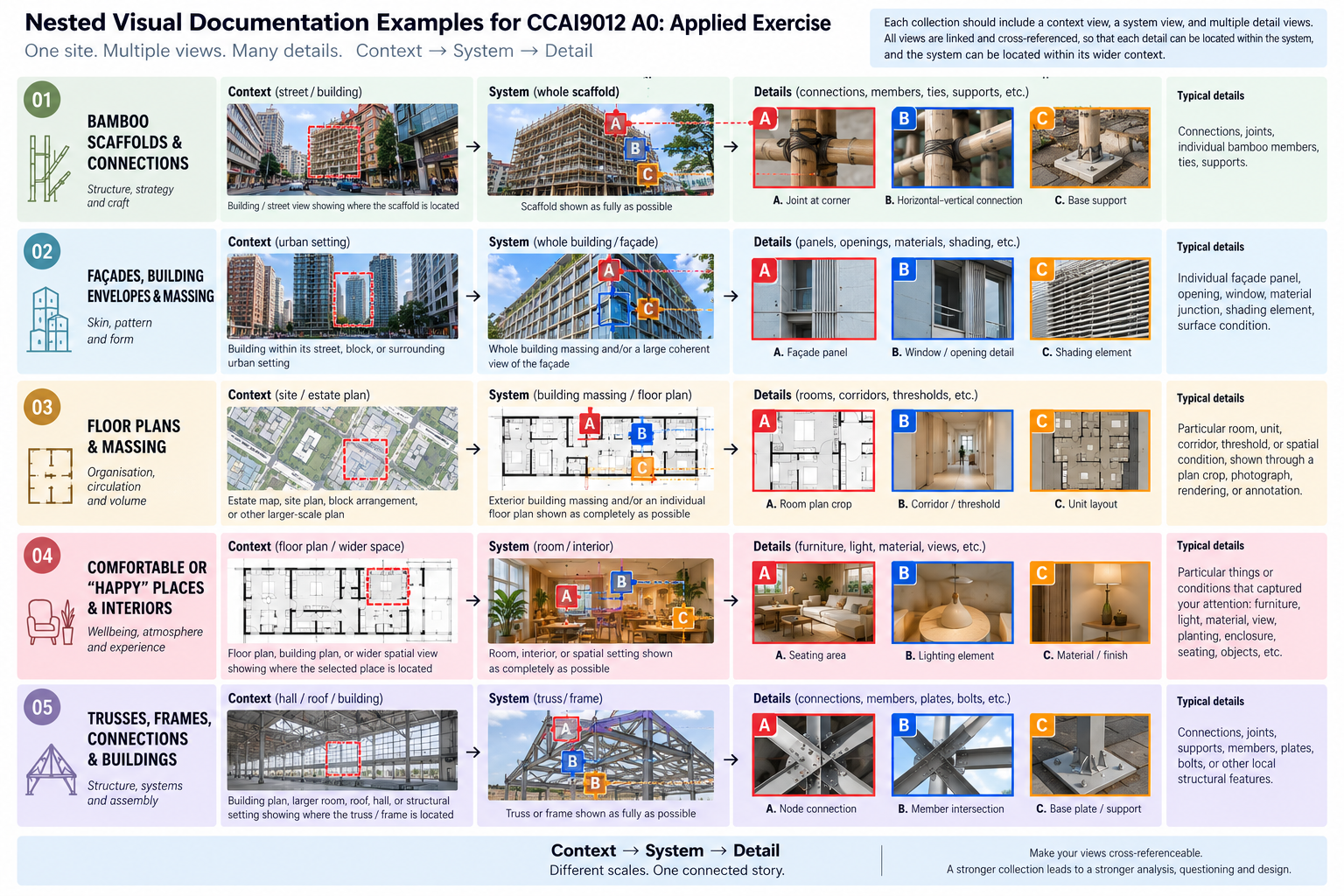
Figure 1. Illustrative examples of possible subjects and visual artefacts. Image generated with ChatGPT / OpenAI.
Roadmap
Work through the following pages in order.
1. GATHER
Build a structured visual collection.
Collect approximately 5 collections within your assigned artefact category and document them across:
Context → System → Detail
→ GATHER: Collection & Documentation Instructions
- Register your collection: Sign up for your chosen artefact theme on the [sign-up sheet] before collecting material. Places are limited to approximately 25 students per theme to avoid duplication.
- Map your sites: Add each collection to the course [Google My Maps] using the label format: Name – UID – Collection ##.
2–3. EXAMINE + IDENTIFY
Look first. Then decide what is worth testing.
Examine your collections yourself, record what you notice and what remains uncertain, and turn those observations into systematic and collection-specific questions.
→ EXAMINE + IDENTIFY: Observation & Question Instructions
4–5. INTERROGATE + EVALUATE
Test what the AI can actually understand.
Use controlled VLM tests, record the first response, interrogate it further, and evaluate its answers against the available evidence.
→ INTERROGATE + EVALUATE: VLM Testing Instructions
6–7. TRANSFORM + SELECT
Move from testing AI to working with AI.
Use selected collections as starting points for iterative transformation, then apply your own criteria and judgement to select the most meaningful outcomes.
→ TRANSFORM + SELECT: Design Exploration Instructions
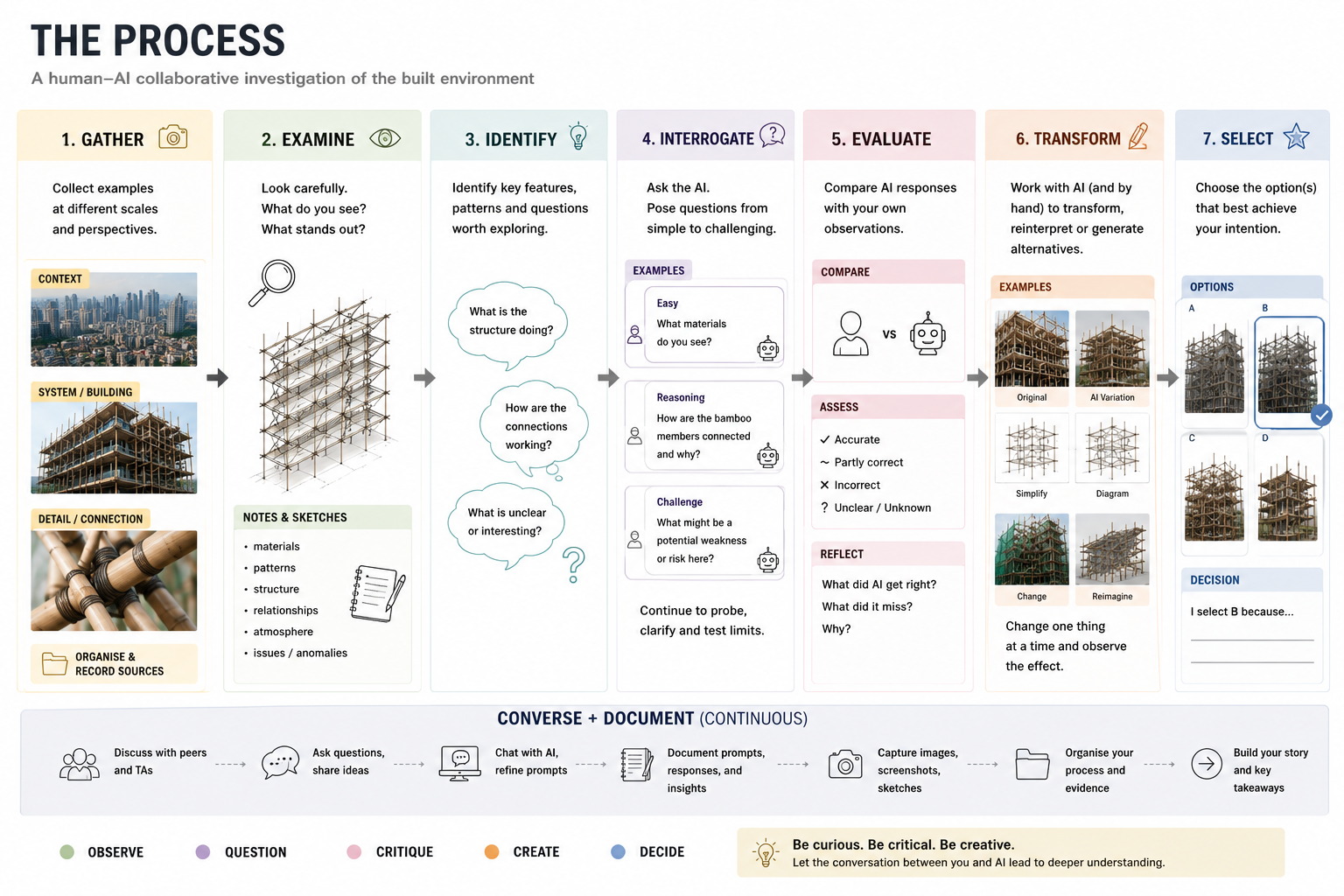
Figure 2. Overview of the Applied Exercise process. Image generated with ChatGPT / OpenAI.
(These points summarise the intentions embedded in the assignment instructions.)
• Careful observation and useful evidence
Build an organised visual collection connecting Context → System → Detail. Record your own observations, important features, and uncertainties before asking AI.
• Meaningful questions and consistent testing
Ask questions that probe the AI’s visual understanding and its limits. Keep tests comparable and distinguish first responses from subsequent guided conversation.
• Critical evaluation
Check AI responses against your observations and evidence. Identify patterns of success, error, unsupported assumptions, and appropriate uncertainty across your tests.
• Purposeful transformation and reasoned selection
Develop alternatives through a clear intention and iterative interaction with AI. Use relevant criteria to explain your selections and show where your judgement shaped the outcomes.
• Distillation and clear communication
Select revealing evidence and communicate a concise story through your abstract, slides, and video. Make your investigation, findings, and their significance understandable to a new audience.
• Documentation and submission
Follow the instructions as closely as you can and keep supporting material organised and easy to review. Do your best—we will be understanding about minor formatting or organisational shortcomings and focus primarily on the substance of your work.
Some helpful references…
Set up Location Services, preserve original files and metadata, and collect photographs consistently. [link]
Structure conversations, test models consistently, and preserve useful evidence from your AI experiments. [link]
Produce and retain raw artefacts, then select and distil them into curated presentable content.
• 🗂️ Raw Artefacts
Check what evidence, files, outputs, and supporting material to retain. [link]
📤 Submit here: [link]
• 🎬 Presentables
Prepare the final abstract, slides, and short video. [link]
📤 Submit here: [link]